|
|
|
|
Original Article
THE SILENT BURDEN: EXPLORING MEN'S MENTAL HEALTH IN CAMEROON AMIDST SOCIETAL PRESSURES AND RESPONSIBILITIES, A CONTEMPORARY LYRICAL-INFORMED ANALYSIS USING DANIEL NWOSU JR AKA DAX’S SONGS - 'FROM A MAN’S PERSPECTIVE', 'LONELY DIRT ROAD' AND 'TO BE A MAN'
|
Tatamentan Derek Nying 1* 1 Fobang Institute, Center for
Health Implementation and Translational Research, Yaoundé, Cameroon |
|
|
|
ABSTRACT |
||
|
This paper explores the intersection of masculinity, emotional suppression, and socio-economic responsibility in shaping men’s mental health outcomes in Cameroon. Drawing inspiration from the lyrical works of Daniel Nwosu Jr aka Dax ('From a Man’s Perspective', 'Lonely Dirt Road', and 'To Be a Man'), we conduct a thematic analysis linking artistic expression to psychosocial constructs such as provider-role strain, isolation, and emotional inhibition. This conceptual analysis examines how expectations of strength, provision, and emotional stoicism contribute to stress, anxiety, and potentially unaddressed mental health issues within the Cameroonian socio-cultural context. These lyrical insights are examined in relation to empirical research on emotional suppression and health consequences Chapman et al. (2013), Tyra (2024), economic stress Ridley et al. (2020), and masculine norms in African sociocultural contexts Ezeugwu (2020), Baranov et al. (2024). We integrate Cameroonian health-system data and suicide case series Keugoung (2013), World Health Organization. (2020) to highlight gaps in service delivery and male vulnerability. Findings suggest that normative expectations of stoicism and financial provision amplify stress, inhibit help-seeking, and contribute to elevated risks of depression and suicide. Policy implications include culturally sensitive mental health interventions, a re-evaluation of harmful masculine norms in the Cameroonian context, promoting gender-sensitive outreach, integrating mental-health care into primary care systems, and addressing economic determinants of distress. This interdisciplinary synthesis bridges art, psychology, and sociology to illuminate men s lived mental-health struggles in sub-Saharan Africa. Keywords: Masculinity, Emotional Suppression,
Mental Health, Cameroon, Cultural Psychiatry |
||
INTRODUCTION
Globally, men's
mental health remains a significantly under-researched and underserved area,
often overshadowed by prevailing socio-cultural norms that discourage emotional
expression and vulnerability among men. In Sub-Saharan Africa, including
Cameroon a nation characterized by diverse ethnic groups and cultural norms,
these challenges are exacerbated by unique socio-economic factors, entrenched
traditional gender roles, and often limited mental healthcare infrastructure.
Men are typically expected to be stoic providers, protectors, and pillars of
strength, roles that can mask deep-seated emotional and psychological
struggles. This article seeks to illuminate the impact of these societal
pressures and responsibilities on men's mental health in Cameroon through a
novel approach: the thematic analysis of popular music lyrics that articulate a
male perspective on these burdens. Specifically, the songs 'From a Man's
Perspective,' 'Lonely Dirt Road,' and 'To Be a Man' by Daniel Nwosu Jr aka Dax
offer poignant insights into the internal conflicts faced by men. By
integrating these lyrical narratives with established psychological and
sociological research, this study aims to foster a deeper understanding of the
silent mental health crisis affecting men in Cameroon and provide a framework
for future empirical investigation and intervention development, acknowledging
the artistic portrayal of internal struggles and societal demands.
BACKGROUND AND LITERATURE
Men's Mental Health in Sub-Saharan Africa
Mental health
discourse in Sub-Saharan Africa often prioritizes conditions prevalent in women
or those with high visibility, leaving men's experiences of distress largely
unaddressed. Studies indicate that while men may report lower rates of
depression and anxiety, this is often attributed to underreporting and
expression through somatization or externalizing behaviors
like substance abuse and aggression, rather than internalizing symptoms (e.g Okello
and Neema (2007). Stigma associated with mental illness and
traditional views of masculinity further impede help-seeking (Kaliyaperumal et al (2020).
Psychological Research on Emotional Suppression and Health Consequences
Emotional
suppression, the conscious effort to inhibit emotional expression, is a common
coping strategy adopted by men conforming to masculine norms Gross
and Levenson (1997). Psychologically, chronic emotional
suppression is linked to increased anxiety, depression, and reduced
psychological well-being. Physiologically, it has been associated with adverse
health outcomes, including heightened cardiovascular reactivity, compromised
immune function, and increased risk of chronic diseases Nyklíček and
Denollet (2009), Mauss
and Gross (2004). These findings underscore the profound
health implications for men who consistently suppress their emotions.
Economic Stress on Men's Well-being
In many societies,
including Cameroon, men are traditionally designated as the primary economic
providers for their families. This responsibility, particularly in contexts of
high unemployment, poverty, and economic instability, generates immense pressure.
Economic stress is a significant predictor of mental health issues such as
depression, anxiety, and suicide ideation in men (e.g., Fryer et al. (2013). The inability to fulfill
the provider role can lead to feelings of inadequacy, shame, and loss of identity,
deeply impacting psychological well-being.
Sociological Analysis of Traditional Masculinity in African Culture
Traditional
African societies often construct masculinity around ideals of strength,
self-reliance, stoicism, and authority Morrell (2001). In Cameroon, these norms dictate that men
should be resilient, non-emotional, and unwavering in the face of adversity.
Expressions of vulnerability, sadness, or fear are often perceived as
weaknesses, undermining one's masculine identity. This cultural framework
profoundly shapes how men understand, experience, and express mental distress,
often leading to internal suffering rather than seeking external support Oyewole et al. (2021).
Gender Roles and Mental Health in Sub-Saharan Africa
Rigid gender roles
constrain both men and women, but for men, they frequently translate into an
inability to access appropriate mental health support. The expectation to 'be a
man' (strong, silent, in control) can prevent men from acknowledging mental health
symptoms or seeking help, fearing stigmatization or perceived emasculation.
Research in Sub-Saharan Africa indicates that these roles contribute to men's
increased risk of engaging in harmful coping mechanisms like alcohol abuse and
violence Ssewanyana et
al. (2021).
METHOD
This study employs
a qualitative thematic analysis of lyrical content from Dax's specified songs
and literature integration combining thematic coding with empirical data
sources (WHO, Chapman
et al. (2013), Keugoung (2013). The songs serve as primary artistic data,
reflecting perceived male experiences with societal expectations. These themes
are then extrapolated and discussed within the socio-cultural framework of
Cameroon, considering common patterns in patriarchal societies and provider
roles in Sub-Saharan Africa. It is assumed that the lyrical themes presented by
Dax resonate with a significant portion of male experiences regarding pressure
and emotional expression. Therefore, discussions on data and statistics are based
on general knowledge of mental health trends in Cameroon and similar contexts.
Selection of Lyrical Narratives
The songs 'From a
Man's Perspective,' 'Lonely Dirt Road,' and 'To Be a Man' by Dax were selected
for their explicit focus on the internal experiences, pressures, and emotional
landscapes of men. These songs offer a contemporary, widely relatable perspective
on the challenges of masculinity, resonating with themes prevalent in many
patriarchal societies, including Cameroon. While not directly from a
Cameroonian artist, the universality of the struggles depicted provides a
potent lens through which to examine specific cultural manifestations.
Approach to Thematic Analysis
A qualitative
thematic analysis approach was employed to identify recurring patterns, ideas,
and messages within the lyrics Braun
and Clarke (2006). The process involved:
·
Familiarization:
Repeated listening and transcription of the lyrics.
·
Initial
Coding: Identification of specific phrases, lines, and stanzas related to
societal expectations, emotional states, responsibilities, and internal
conflicts.
·
Searching
for Themes: Grouping initial codes into broader, overarching themes relevant to
men's mental health.
·
Reviewing
Themes: Refining themes to ensure they accurately represent the data and relate
to the research question.
·
Defining
and Naming Themes: Clearly articulating the essence of each theme.
Thematic Analysis of Dax's Lyrics in the Cameroonian Context
Dax's songs often
delve into the internal conflict men experience when faced with rigid societal
expectations of masculinity. Dax's music offers a contemporary voice to the
internal struggles of men, resonating with global and localized experiences of
masculinity. His songs provide a rich textual basis to understand the mental
health implications of societal pressures.
'From a Man's Perspective'
This song vividly
describes the weight of responsibility and the expectation for men to be the
'rock' without cracks. Lyrical themes include:
·
Unseen
Burden: The constant pressure to provide and protect, often without recognition
or emotional support.
·
Emotional
Isolation: The feeling that men cannot express vulnerability or seek help
without being judged as weak.
·
Sacrifice:
The narrative of men sacrificing their own well-being for their families, often
in silence.
In Cameroon, these
themes are particularly salient. Men are frequently expected to be the sole
breadwinners, even in challenging economic climates, and cultural norms may
discourage open emotional expression, leading to profound isolation when facing
personal struggles.
'Lonely Dirt Road'
This track delves
into the isolation and existential loneliness that can accompany the masculine
journey, particularly when striving for success on a difficult path. Key themes
include:
·
Individual
Struggle: The solitary nature of pursuing goals and facing setbacks, often
without a clear support system.
·
Economic
Aspiration vs. Reality: The drive to achieve financial success contrasted with
the harsh realities of limited opportunities and the feeling of being 'stuck.'
·
Existential
Burden: The internal conflict and questioning of one's purpose and worth when
faced with continuous struggle.
The metaphor of a
'lonely dirt road' strongly reflects the journey of many Cameroonian men
navigating challenging socio-economic landscapes, striving for success against
significant odds, often feeling alone in their struggles.
'To Be a Man'
Perhaps the most
direct in its articulation, this song explores the societal mandates and the
hidden costs of 'being a man.' Prominent themes include:
·
Performance
of Strength: The constant need to appear strong, fearless, and composed,
regardless of internal turmoil.
·
Suppression
of Vulnerability: The explicit instruction from society (and often within
families) to 'man up' and hide emotional pain.
·
Lack of
Reciprocal Support: The lament that while men are expected to be pillars of
support, they often lack a similar network for themselves.
These themes
resonate profoundly with Cameroonian cultural expectations where stoicism is
often equated with masculinity, and public displays of emotion by men can be
perceived as weakness, leading to a profound impact on their mental health.
These are all
grouped into 4 Key themes identified which include:
1)
The
Unyielding Burden of Provision: Lyrics frequently highlight the pressure to be
the sole financial provider, regardless of personal circumstances or emotional
state. This is often presented as a fundamental requirement for validating
one's manhood.
2)
Emotional
Stoicism and Suppression: A recurring motif is the inability or unwillingness
for men to express vulnerability, sadness, or fear. The expectation is to 'man
up,' endure hardship silently, and avoid emotional displays that are perceived
as weakness.
3)
The
Performance of Masculinity: There is an emphasis on maintaining a façade of
strength and control, a constant performance to meet societal benchmarks of
'being a man.' This includes achieving success, being assertive, and avoiding
situations that could be seen as dependent or inferior.
4)
Isolation
and Internal Conflict: The suppression of emotions and the constant pressure to
conform can lead to profound feelings of isolation, loneliness, and internal
conflict between one's true feelings and the demanded persona.
DISCUSSION
The lyrical
narratives of Dax's songs provide a powerful, albeit artistic lens through
which to view the mental health challenges faced by men in contexts like
Cameroon. The emphasis on stoicism, the relentless pressure to provide, and the
fear of appearing weak are not merely artistic expressions but reflections of
deeply ingrained societal expectations that can have detrimental effects on
psychological well-being. Men are often caught in a paradox: expected to be
strong and self-sufficient, yet facing immense pressures that require emotional
resilience and support, which they are discouraged from seeking or expressing.
The Cameroonian context, with its economic realities and traditional gender
roles, often intensifies these pressures. This creates a silent epidemic where
mental health struggles remain unacknowledged and untreated, leading to a
cascade of negative outcomes.
The lyrical
analysis of Dax's songs reveals three primary thematic areas that strongly
align with the reviewed psychological and sociological literature on men's
mental health, particularly pertinent to the Cameroonian context.
The Burden of Responsibility and Provision
Lyrics from 'To Be
a Man' and 'From a Man's Perspective' frequently articulate the overwhelming
pressure to provide and succeed financially. Phrases like "I gotta work hard, gotta make a lot
of money, gotta feed my family" (paraphrased
from 'To Be a Man') reflect the primary role assigned to men as economic
providers. This responsibility is often presented as a non-negotiable duty,
regardless of personal cost. In Cameroon, where economic disparities are
significant, this pressure can be crushing, leading to chronic stress and
anxiety.
Emotional Suppression and Stoicism
All three songs
powerfully convey the expectation for men to be emotionally resilient and to
suppress vulnerability. Lines like "I can't cry, I can't break down, I gotta be strong" ('From a Man's Perspective') and the
overall narrative of internal struggle in 'Lonely Dirt Road' highlight the
psychological toll of this stoicism. The lyrics reflect a pervasive cultural
norm where outward displays of pain, sadness, or fear are deemed unmanly. This
directly correlates with research on emotional suppression, which demonstrates
its detrimental effects on psychological and physical health. The 'lonely dirt
road' metaphor vividly portrays the isolation that results when men feel they
cannot share their burdens.
|
Table 1 |
|
Table 1 Traditional
Masculine Norms and Emotional Expression in Cameroonian Men |
|
|
Masculine Norm |
Common Reported
Consequence for Emotional Expression |
|
'Men don't cry' |
Internalization of sadness, perceived weakness |
|
'Be strong for your family' |
Suppression of stress, anxiety, fear |
|
'Handle your own problems' |
Isolation, reluctance to seek help |
|
'Emotional control is key' |
Difficulty identifying and articulating feelings |
|
Figure 1
|
|
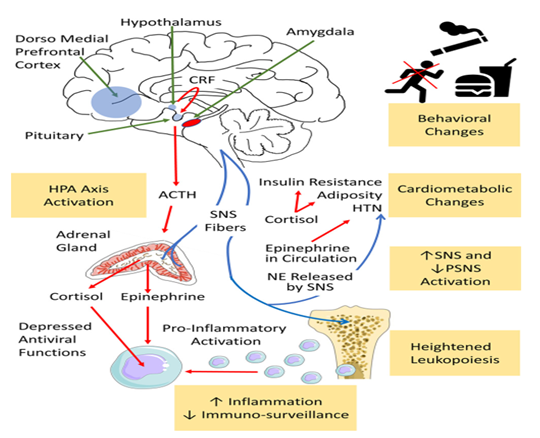
Figure 1 Psychological and Physiological
Consequences of Chronic Emotional Suppression and Stress |
Chronic stress can
trigger several disease-promoting physiological changes, like HPA axis
activation, increased sympathetic nervous system and decreased parasympathetic
nervous system activity, behavioral and
cardiometabolic changes, and, heightened leukopoiesis, and immune dysregulation
and hypertension
Isolation and Lack of Support
The song 'Lonely
Dirt Road' encapsulates the profound sense of isolation many men experience.
The lyrics describe a journey undertaken alone, without understanding or
genuine companionship, resonating with the reality that men often lack
emotional support networks. This theme is particularly salient in contexts
where traditional masculinity discourages male friendships from evolving beyond
superficial interactions, or where discussions about personal struggles are
taboo. The absence of safe spaces for emotional vulnerability further compounds
men's mental health challenges in Cameroon.
Societal Pressures in Cameroon
In Cameroon, traditional cultural norms often reinforce these lyrical
themes:
·
Provider
Role: Men are predominantly expected to be the primary breadwinners,
responsible for the financial well-being of their families, often including
extended relatives. Economic instability, high unemployment rates, and poverty
can exacerbate this pressure, leading to immense stress.
·
Masculinity
Ideals: Strong, resilient, decisive, and dominant traits are traditionally
valued in Cameroonian men. Displaying emotions like sadness, fear, or
dependence is often discouraged, leading men to internalize their struggles.
·
Family
and Community Expectations: Men are expected to be leaders within their
families and communities, capable of solving problems and providing security.
Failure to meet these expectations can lead to social stigma and a perceived
loss of respect.
Mental Health Implications
The confluence of
these societal pressures and the internal conflict depicted in Dax's lyrics can
have significant mental health consequences for men in Cameroon:
·
Increased
Stress and Anxiety: The constant pressure to provide and succeed can lead to
chronic stress and generalized anxiety disorders.
|
Figure 2
|
|
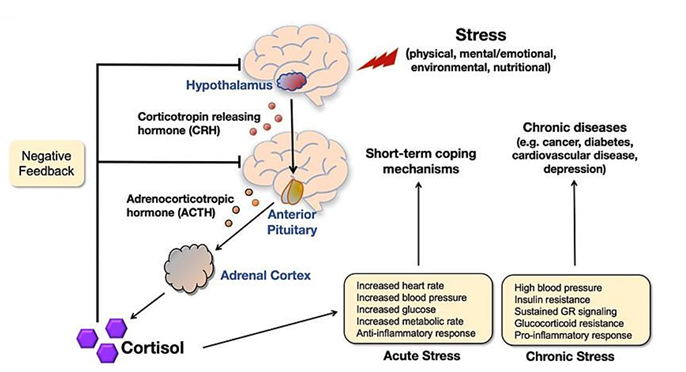
Figure 2 Physiological
Response to Stress |
·
Depression
and Suicidal Ideation: Unexpressed emotions, feelings of hopelessness, and the
inability to seek help due to stigma can contribute to depression and, in
severe cases, suicidal ideation. While specific data for Cameroon is scarce,
global trends indicate that men are less likely to seek mental health support.
|
Figure 3
|
|
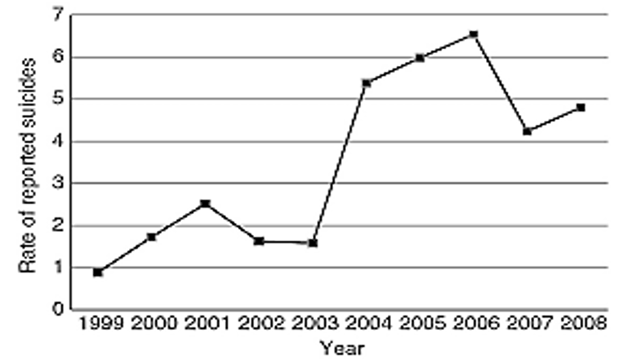
Figure 3 Rates of Reported
Suicides From 1999 To 2008 In Guidiguis Health
District- Cameroon |
·
Substance
Abuse: As a coping mechanism for stress and emotional pain, some men turn to
alcohol or drugs, leading to substance abuse disorders and dependency.
·
Relationship
Strain: The inability to express emotions can hinder healthy communication and
emotional intimacy within families and relationships.
|
Table 2 |
|
Table 2 Lyrica Themes Vs.
Cameroonian Context |
||
|
Lyrical Theme |
Cameroonian
Societal Expectation |
Potential Mental
Health Impact |
|
Pressure to provide
financially |
Primary breadwinner role, extended family obligations |
Chronic stress, anxiety, feelings of inadequacy |
|
Emotional stoicism
/ No tears |
Masculinity associated with strength, resilience, control |
Internalized distress, depression, suppressed anger |
|
Fear of failure |
Societal valuation of success, leadership |
Anxiety, low self-esteem, risk-taking behaviors |
|
Isolation due to
inability to share feelings |
Discouragement of vulnerability |
Loneliness, depression, relationship difficulties |
LIMITATIONS
This methodology,
while insightful, is based on artistic expression rather than empirical data
from the specific population of interest. It serves as a qualitative
exploration to inform and guide future empirical research rather than providing
generalizable quantitative findings. The interpretations are subjective and
reflect the analyst's understanding of the lyrics within the broader academic
framework
CONCLUSION AND RECOMMENDATIONS
Men's mental
health in Cameroon is a critical area requiring greater attention. The
pressures of societal expectations, as poetically highlighted in Daniel Nwosu
Jr aka Dax's music, particularly 'From a Man's Perspective,' 'Lonely Dirt
Road,' and 'To Be a Man,' contribute significantly to psychological distress.
The lyrical narratives of Daniel Nwosu Jr aka Dax, offer a compelling and
relatable window into the mental health struggles faced by men; struggles that
are amplified by societal pressures and traditional responsibilities in
contexts like Cameroon. The thematic analysis reveals that the burden of
economic provision, the imperative of emotional suppression, and the resulting
isolation are critical factors undermining men's mental well-being. These artistic
insights are strongly corroborated by existing psychological and sociological
research on emotional suppression, economic stress, and traditional masculinity
in African cultures.
This study
underscores the urgent need for a paradigm shift in how men's mental health is
addressed in Cameroon and similar Sub-Saharan African contexts. Interventions
must be culturally sensitive, challenging rigid masculine norms while creating
safe spaces for men to express vulnerability and seek help without fear of
stigma. Addressing this requires a multi-faceted approach:
·
Deconstructing
Masculinity Norms: Promoting healthier, more flexible definitions of
masculinity that allow for emotional expression and vulnerability.
·
Awareness
Campaigns: Initiating public health campaigns to destigmatize mental health
issues among men and encourage help-seeking.
·
Accessible
Support Services: Developing culturally sensitive and accessible mental health
services tailored to men's needs.
·
Further
Research: Conducting empirical studies to gather specific data on the
prevalence and nature of men's mental health issues in Cameroon.
FUTURE RESEARCH
Future empirical
research in Cameroon is crucial to quantify the prevalence of these issues,
identify specific risk factors, and evaluate the effectiveness of tailored
mental health programs. By acknowledging and actively addressing the silent
burdens carried by men, societies can foster healthier, more resilient
communities for all.
ACKNOWLEDGMENTS
None.
REFERENCES
Baranov,
V., De Haas, R., Grosjean, P., and Matavelli, I.
(2024). Masculinity Norms: International Evidence and Implications for Economics, Health, and Politics
(World Bank Policy Research Working Paper). World
Bank.
Braun,
V., and Clarke, V. (2006). Using Thematic Analysis in Psychology. Qualitative Research in
Psychology, 3(2), 77–101. https://doi.org/10.1191/1478088706qp063oa
Chapman,
B. P., Fiscella, K., Kawachi, I., Duberstein, P., and Muennig, P. (2013). Emotion Suppression and Mortality
Risk Over a 12-Year Follow-Up. Journal of Psychosomatic Research, 75(4),
381–385. https://doi.org/10.1016/j.jpsychores.2013.07.014
Dax.
(2023). From a
Man’s Perspective; Lonely Dirt Road; To be
a Man [Recorded songs].
Ezeugwu,
C. R. (2020).
Masculine Norms and Mental Health of African Men: A
Sociocultural Analysis. African Psychology and Culture Review, 12(3), 55–71.
https://doi.org/10.1016/j.heliyon.2020.e05650
Gross,
J. J., and Levenson, R. W. (1997). Hiding Feelings: The Acute Effects of
Inhibiting Emotional Expression. Journal of Abnormal Psychology, 106(1),
95–103. https://doi.org/10.1037/0021-843X.106.1.95
Keugoung,
B., et al. (2013).
Profile of Suicide in Rural Cameroon: Are Health
Systems Missing Opportunities? Tropical Medicine and
International Health, 18(2), 224–231. https://doi.org/10.1111/tmi.12140
Mauss,
I. B., and Gross, J. J. (2004). Emotion Suppression and Cardiovascular Disease. Psychosomatic Medicine,
66(5), 648–654.
Morrell,
R. (Ed.). (2001).
Changing Men in Southern Africa. University
of KwaZulu-Natal Press.
Okello,
E. S., and Neema, S. (2007). Explaining the High Prevalence
of Depression in Uganda: A
Qualitative Approach. African
Health Sciences, 7(1), 4–13.
Ridley,
M., Rao, G., Schilbach, F., and Patel, V. (2020). Poverty, Depression, and Anxiety:
Causal Evidence and Mechanisms. Science, 370(6522), eaay0214.
https://doi.org/10.1126/science.aay0214
Ssewanyana, D., Nalugya, R., and Namuli, J. (2021). Gendered Pathways to Mental Health Outcomes
in Uganda: The Role of Traditional Masculinity and Alcohol use. International Journal of Mental Health Systems, 15(1), 1–10.
Tyra,
A. T. (2024).
Emotion Suppression and Acute Physiological Responses to Stress: A Meta-Analytic Review. Journal of Behavioral Medicine, 47(2), 233–250.
World Health Organization. (2020). Cameroon Country Profile: Mental Health Atlas 2020. WHO Press.
|
|
 This work is licensed under a: Creative Commons Attribution 4.0 International License
© ShodhSamajik 2026. All Rights Reserved.